The Shift to Sustainable, Eco-Friendly Art Materials
Why what your art is made on now matters as much as what it shows.
Art has always been about expression. But today, it is also about intention.
Collectors ask better questions. Artists make more conscious choices. And the materials beneath the artwork are finally getting the attention they deserve.
The shift toward sustainable, eco-friendly art materials is not a trend. It is a recalibration of values. Beauty is no longer enough. Longevity and responsibility now sit beside it.
From Permanence to Responsibility
For years, “archival” meant one thing: it should not fade, yellow, or deteriorate. That standard still stands. But now it has expanded.
The material must endure.
And it must be ethically made.
This is where responsibly sourced fibers enter the conversation.

Fine art papers today are often derived from sustainably managed forests or 100% cotton linters. Controlled forestry, renewable fiber cycles, and environmental compliance are becoming part of the production baseline. The origin of the paper now carries weight.
Because sustainability begins long before ink touches the surface.
The Return to Cotton Rag
Serious artists increasingly choose 100% cotton rag papers. Not because they are fashionable. Because they perform.
Cotton rag offers:
Natural strength
Deep ink absorption
Soft yet rich tonal transitions
Long-term stability without harsh additives
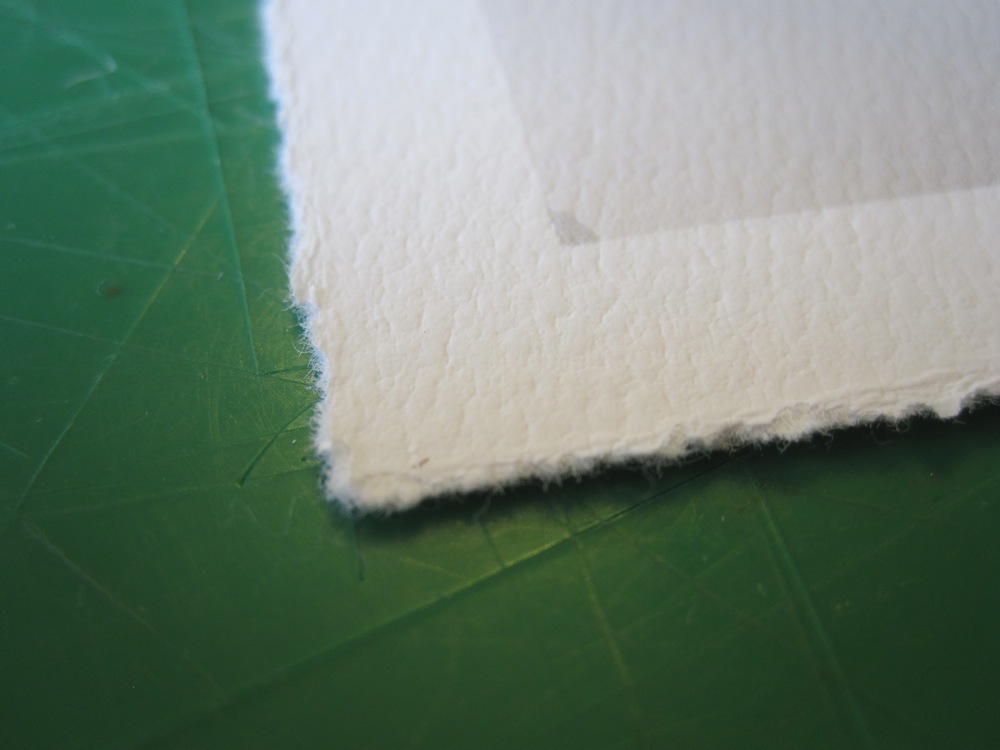
Look closely at the surface. You can see the fibers. The texture is organic. Subtle. Honest.
Many of these papers are produced without optical brightening agents. Instead of artificial whiteness that fades over time, they rely on natural tone and balanced pH levels. The result feels warmer. More enduring.
When you hold such paper, you feel the difference. It does not shout. It settles.
Cleaner Chemistry, Smarter Printing
The shift is not limited to paper.
Studios are moving toward water-based pigment inks and low-VOC coatings. These are engineered for longevity without aggressive chemical load.
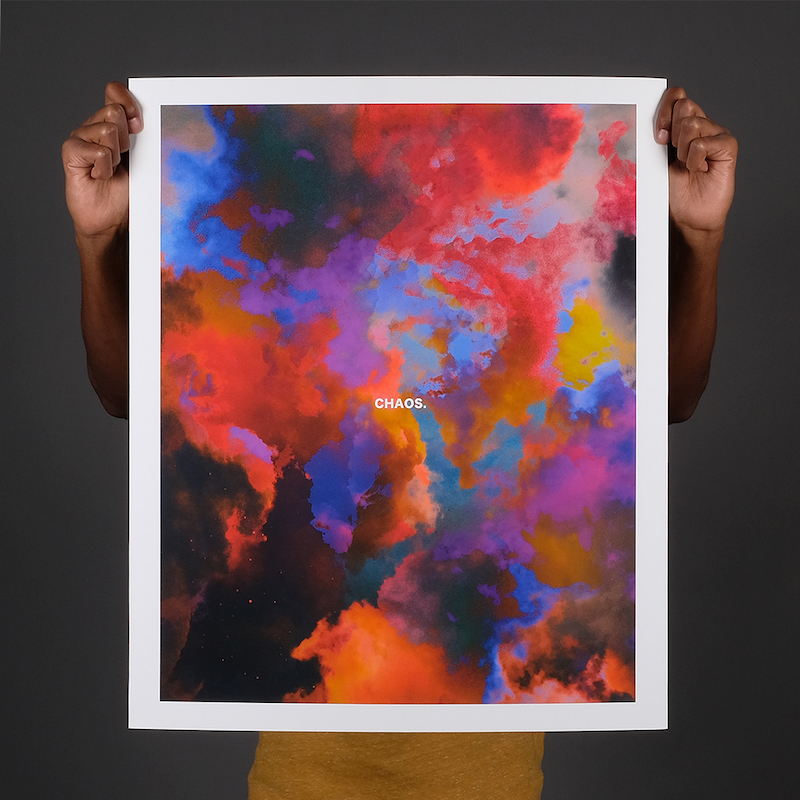
Pigment-based printing, when paired with cotton or alpha cellulose papers, delivers museum-grade results. Deep blacks. Stable colors. Minimal fading when properly stored.
At the manufacturing level, many fine art mills now operate with closed-loop water systems. Wastewater is treated before release. Chemical use is controlled. Energy consumption is actively monitored.
These are quiet decisions. But they matter.
Why This Matters to Artists
An artist spends weeks, sometimes months, building a piece.
It deserves a surface that does not compromise it.
Sustainable, archival-grade materials offer consistency. Predictability. Depth. They allow gradients to breathe. Shadows to hold. Highlights to remain stable over time.
There is also peace in knowing that the work does not come at unnecessary environmental cost.
The medium becomes aligned with the message.
Why This Matters to Collectors
Collectors today are more informed. They look beyond the image.
They ask:
What paper is this printed on?
Are optical brighteners used?
What kind of ink process is applied?
Is the material museum grade?
These are not niche concerns anymore. They affect longevity. They affect value.
A work printed on responsibly manufactured cotton rag or certified alpha cellulose signals seriousness. It shows that the artist and publisher made considered choices.
Art should outlive trends. Its materials should too.
The Economics of Longevity
Sustainable fine art materials cost more. That is a fact.
But longevity reframes the equation.
An artwork that remains stable for decades is not expensive. It is wise.
A print that yellows within years is not affordable. It is compromised.
The shift to sustainable materials is a long-term investment. Not just in the artwork. In the ecosystem around it.
The Future Is Integrated
Sustainability in art is moving beyond paper and ink.
We are seeing:
Plastic-free packaging
Reduced overproduction through print-on-demand
Smaller batch runs
Conscious sourcing across the supply chain
The conversation is no longer about a single material. It is about systems.
And systems define legacy.
At Artiure, we believe the foundation matters as much as the form.
Generative art, digital art, contemporary photography, illustration. Whatever the style, the substrate must be chosen with intent. Archival integrity. Responsible sourcing. Honest materials.
Because art is not only what you see on the wall.
It is what holds it together.
And that should be built to last.